 Kettlebell Workout Generator
Kettlebell Workout Generator
Kettlebell Workout Generator
Build smarter workouts using Density Protocol™, a system that measures work performed over time.
Generate Your Workout
Customize your workout based on your experience level, available time, and fitness goals. Your Density Score™ will be calculated automatically.
⏱️ Included: automatic assisted timer with rep tracking, Density Score™ calculation, rest periods, and voice prompts.
Most workout apps track reps and sets. We track something more powerful: how much work you perform in a given time.
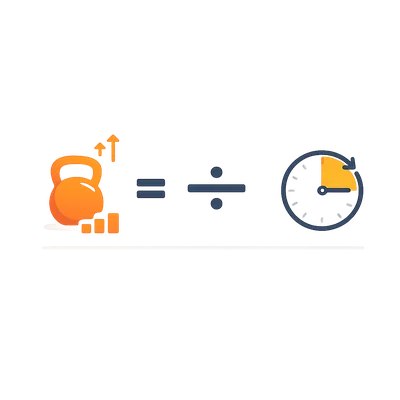
Density Score™ = (Total Reps × Weight) / Time
Example: 100 reps × 16 kg ÷ 10 min = 160
By combining volume, load, and time into one metric, you get objective, measurable progress. No guesswork. No vanity reps. Just data.
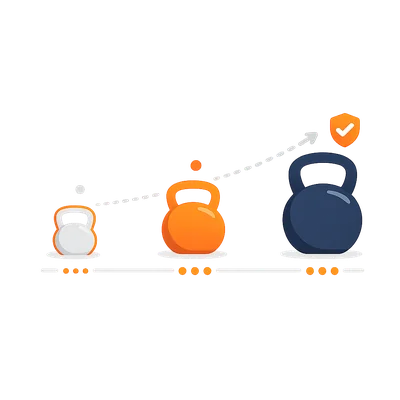
Our Density Guard™ system alerts you if your workload spikes too fast. We prioritize form and controlled progression over reckless intensity.
Most beginners fail because they follow programs built for advanced athletes. Fixed reps, rigid schedules, and complex periodization do not work when you are just starting. Our system flips the model: you work for time, not reps. This is Density Protocol™—and it is the fastest way to build real fitness with kettlebells.
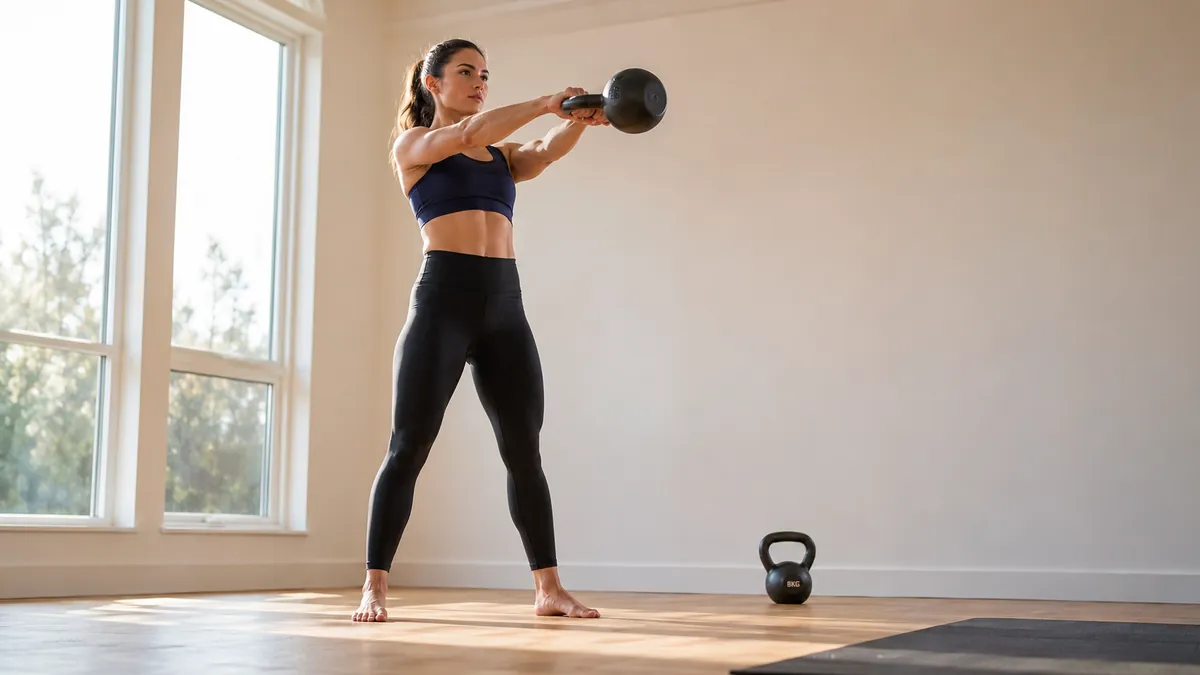
Traditional kettlebell programs tell you to do 3 sets of 10 reps. Sounds simple, but it ignores the one thing that matters most: how long you rest. One day you finish in 12 minutes. The next, you take 25 minutes because you are tired. Your volume is identical, but the stimulus is completely different. You have no idea if you are improving.
This is why beginners plateau so quickly. They follow the same rep schemes for weeks, never knowing if they are actually working harder. The body adapts to intensity, not just volume. Without measuring time, you are training blind.
Instead of "Do 10 reps," we say: "Work for 15 minutes." You move continuously through a sequence of kettlebell exercises—swings, squats, rows, presses—resting only when you must. The clock does not lie. If you complete 3 rounds today and 4 rounds next week, you improved. It is objective, measurable, and impossible to fake.
This method, called training density, has been used by elite strength coaches for decades. We have made it accessible to beginners. No spreadsheets. No guesswork. Just a timer and a simple workout structure that scales with your fitness level.
Density Protocol™ Definition
Training density = total work completed in a fixed time period. More work in the same time = higher density = better fitness. Our workout generator calculates your Density Score™ automatically, tracking every rep, every pound, every minute.
Progression in Density Protocol™ is simple. Week 1, you work for 10 minutes. Week 2, 12 minutes. Week 3, 15 minutes. By week 4, you are doing 20-minute sessions—and because you are tracking density, you know exactly how much more work you are doing than when you started. See the full 4-week kettlebell workout plan for the complete schedule.
Unlike programs that throw random workouts at you, our system builds sequentially. Each session prepares you for the next. You master the swing before the snatch. You own the goblet squat before adding weight. This is how you build a foundation that lasts.
We designed this system for people who have never touched a kettlebell. The exercise library breaks down every movement with step-by-step technique. The beginner guide explains how to warm up, how to breathe, and how to know if your weight is too light or too heavy. And the 4-week plan tells you exactly what to do on Monday, Wednesday, and Friday.
Everything is free. No app to download. No account to create. Just open the generator, pick your level and goal, and start training. Your Density Score™ is saved in your browser, so you can track progress across sessions without signing up for anything.
Research in strength and conditioning consistently shows that time-under-tension and work capacity are better predictors of fitness improvement than raw strength or maximal endurance. Density training improves both simultaneously. By working continuously in timed blocks, you build:
This is why time-based kettlebell training produces such dramatic results for beginners. You are not just getting stronger. You are becoming fitter in every dimension that matters.
Master these fundamental kettlebell exercises before starting your first workout.
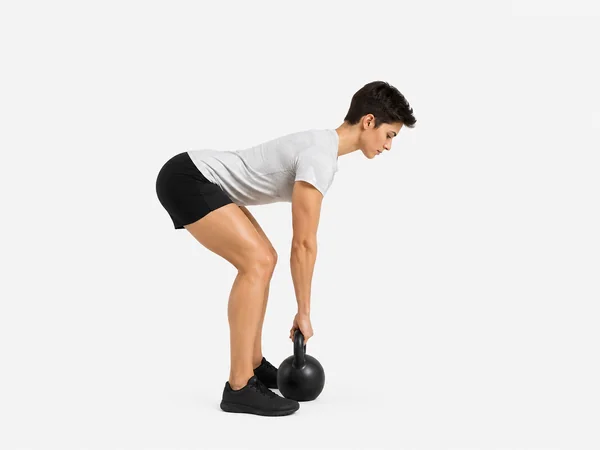
The foundation of all kettlebell movements. Learn proper hip hinge technique to protect your back.
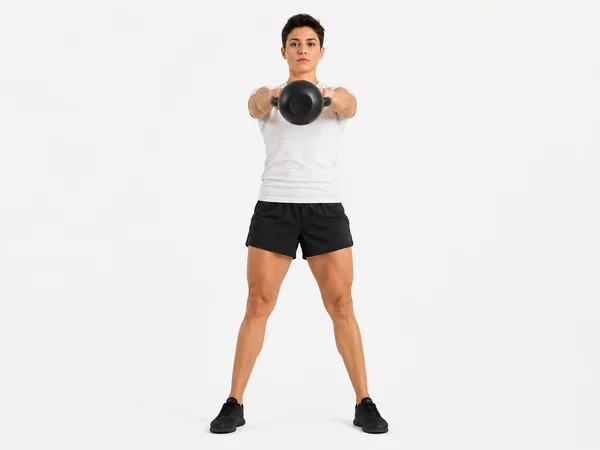
The king of kettlebell exercises. A explosive hip movement that builds power and burns calories.
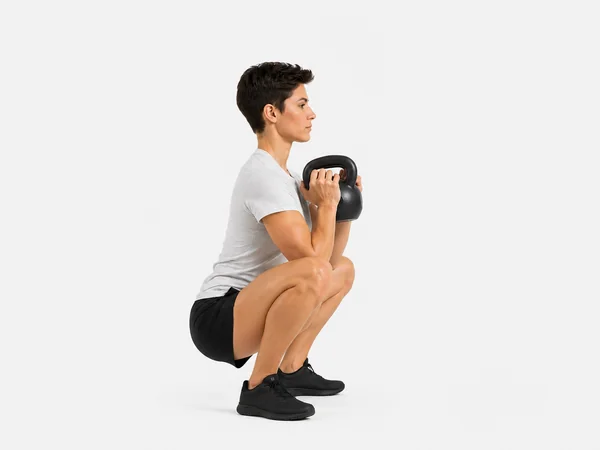
A squat variation that builds leg strength and improves mobility. Perfect for beginners.
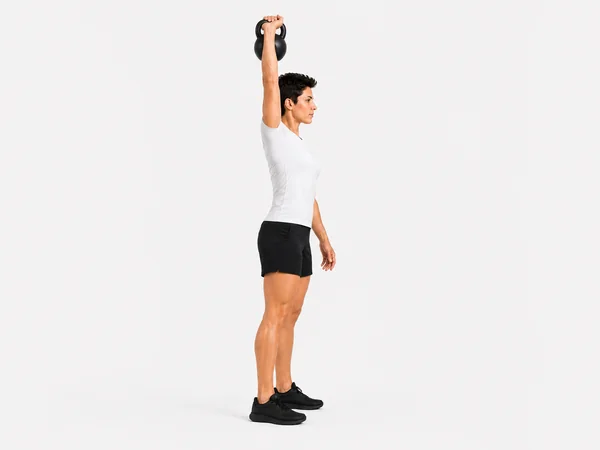
A standing overhead press that builds shoulder strength and core stability.
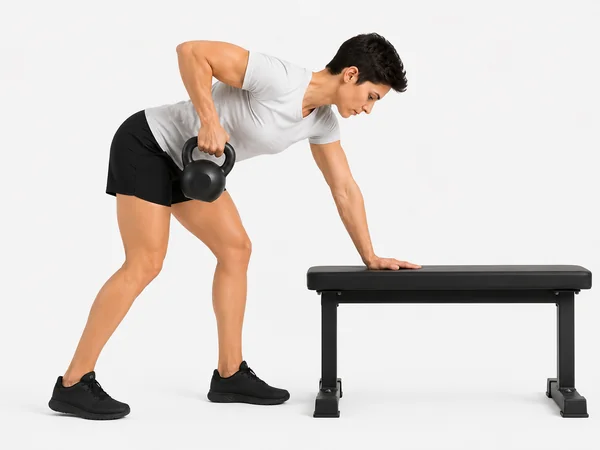
A pulling movement that builds back strength and improves posture.
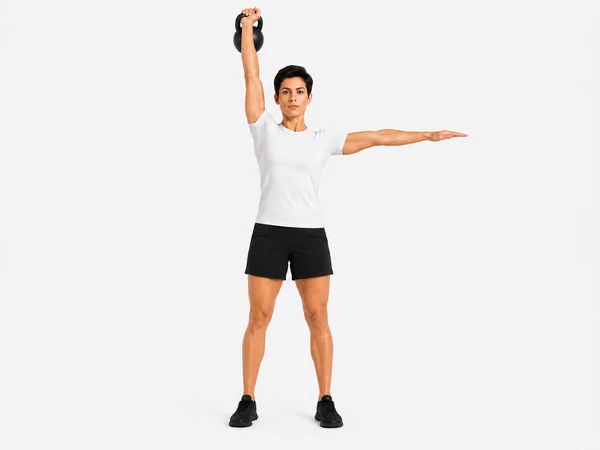
An advanced move that teaches total body coordination and stability.
Follow these essential tips to get the most from your kettlebell training and avoid injury.
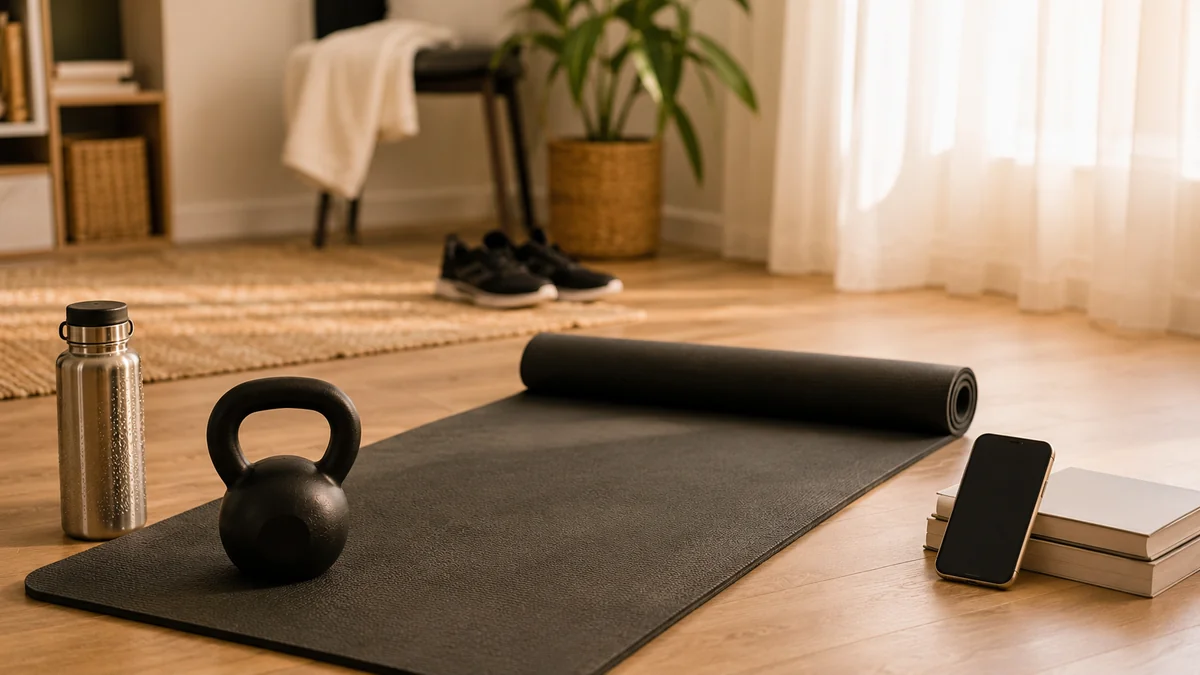
Many beginners start with a weight that's too heavy. For women, a 15-18 lb kettlebell is often sufficient. For men, 25-35 lbs is a good starting point. You can always progress to heavier weights.
Perfect technique beats heavy weights every time. Master the basic movements first: deadlift, swing, goblet squat, and press before moving to advanced exercises.
Spend 5-10 minutes warming up before every workout. Include dynamic stretches, light cardio, and practice movements without weight.
Kettlebell training is intense. If something hurts (not the normal muscle burn), stop. Sharp pain is a warning sign—don't ignore it.
Three workouts per week is ideal for beginners. Your body needs time to recover and adapt. More isn't always better.
The hip hinge is the foundation of kettlebell training. Most exercises use this movement pattern. Master it early to prevent back injuries.
Get answers to the most common questions about kettlebell training for beginners.
For most beginners, women should start with a 15-18 lb (6-8 kg) kettlebell, and men should start with a 25-35 lb (11-16 kg) kettlebell. The right weight allows you to perform exercises with perfect form while still challenging your muscles. If you can easily do 15+ reps with good form, it's time to move up.
For complete beginners, start with 2 workouts per week, allowing at least 48 hours between sessions. As you build strength and conditioning, you can progress to 3-4 sessions per week. Always listen to your body and allow adequate recovery time.
Yes! Kettlebells are excellent for building muscle, especially for beginners. The compound movements engage multiple muscle groups simultaneously, and the time under tension from slow, controlled movements promotes muscle growth. Progressive overload—gradually increasing weight or reps—is key.
Kettlebell workouts are highly effective for weight loss. High-intensity kettlebell circuits can burn 400-600 calories per session while building lean muscle, which increases your resting metabolic rate. Combine regular kettlebell training with a balanced diet for best results.
Beginner kettlebell workouts should last 15-25 minutes, including warm-up and cool-down. As you build endurance and technique, you can extend to 30-45 minutes. Quality matters more than duration—a 20-minute workout with perfect form beats a 40-minute workout with poor technique.
Both have advantages. Kettlebells excel at dynamic, explosive movements like swings and snatches, while dumbbells are better for isolated exercises. For beginners, a kettlebell offers more variety in functional movements. Many home gyms benefit from having both.
Flat-soled shoes are ideal for kettlebell training. Cross-training shoes with minimal cushioning work well because they provide stability during hip hinge movements. Avoid running shoes with thick, cushioned soles as they can make you feel unstable during squats and deadlifts.
Absolutely! One of the biggest advantages of kettlebell training is its space efficiency. You only need a small area and one piece of equipment for a complete workout. Just ensure you have enough ceiling height for overhead movements and a non-slip floor surface.